Why I Call It 'Therapy': The Mental Health Benefits of Woodworking
Discover why a veteran woodworker calls his craft 'therapy.' Learn how working with wood provides mental health benefits, mindfulness, and purpose—one handcrafted piece at a time
12/18/2025
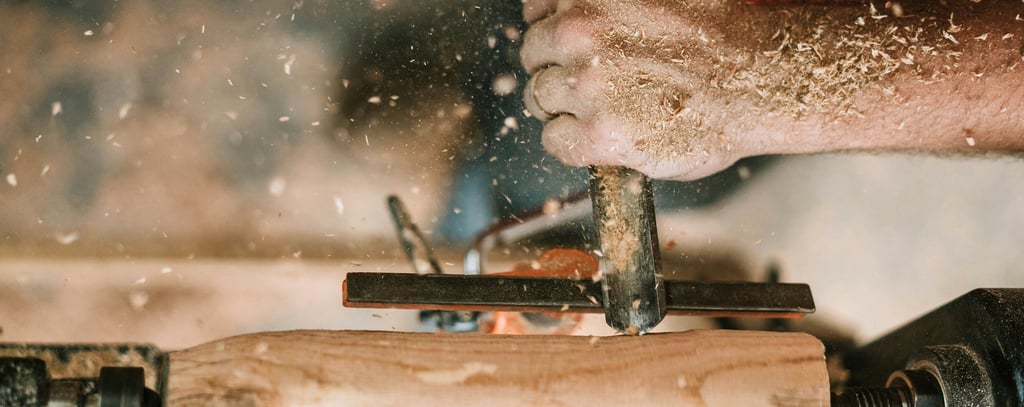
When people ask me why I named my business 'Sawdust Therapy Creations,' some expect a clever play on words. But the truth is simpler and more personal. Working with wood is therapy for me. Not metaphorically. Not poetically. Actually, genuinely therapeutic.
I found myself searching for something that could quiet the noise in my head and give me a sense of purpose. I found it in the workshop, surrounded by sawdust and the smell of fresh-cut wood. What started as a hobby became essential to my mental well-being.
The Power of Working with Your Hands
There's something primal and grounding about transforming raw wood into something beautiful and functional. When I'm at my workbench, focused on the grain of the wood, measuring precisely, feeling the texture change as I sand, the world outside fades away. Psychologists call this 'flow state,' but I simply call it peace.
Studies have shown that working with your hands activates different parts of your brain than desk work or screen time. It engages multiple senses at once. The smell of walnut. The sound of a saw cutting true. The visual satisfaction of a perfect joint. This multi-sensory engagement is inherently meditative and stress-reducing.
From Chaos to Order
I appreciate order and precision, but I've also been exposed to plenty of chaos and uncertainty. Woodworking lets me take a rough piece of lumber and create order from it. Every cut, every sanding pass, every application of finish brings more refinement and purpose to the piece.
There's a parallel to healing in that process. You start with something raw and imperfect, and through patience and skill, you transform it into something meaningful. When life feels overwhelming, I know I can go to my workshop and create order, one project at a time.
Mindfulness in Every Grain
Woodworking demands presence. You can't be thinking about tomorrow's problems when you're running stock through a table saw. You can't be dwelling on past regrets when you're hand-carving details into an intarsia piece. The craft requires you to be here, now, fully engaged with what's in front of you.
This forced mindfulness is one of woodworking's greatest gifts to mental health. In our world of constant notifications and divided attention, the workshop becomes a sanctuary where you must be present. That kind of focused attention is increasingly rare and increasingly precious.
The Satisfaction of Creation
There's deep satisfaction in making something tangible with your own hands. In an increasingly digital world where so much of our work exists only on screens, creating a physical object you can hold, give as a gift, or use daily provides fulfillment that's hard to find elsewhere.
Every completed piece is evidence of capability. It says, 'I can still create. I can still contribute. I can take raw materials and make something beautiful.' For anyone dealing with feelings of inadequacy or purposelessness, that tangible proof of skill and worth is powerful medicine.
Patience and Progress
Woodworking teaches patience in a world that demands instant results. You can't rush a finish cure. You can't speed up the process of hand-sanding to perfection. The wood reveals itself in its own time, and you learn to work with it rather than against it.
This patience transfers to other areas of life. When I'm frustrated with how slowly something is progressing, I remember that my best pieces took time and care. Healing, like woodworking, isn't linear. It requires patience with the process and trust that each small step forward matters.
A Call to Create
If you're struggling with stress or looking for a healthier way to manage the challenges life throws at you, I encourage you to try working with your hands. It doesn't have to be woodworking. Metalwork, pottery, gardening, painting, or any craft that engages your skills and demands your presence can provide similar benefits.
The key is finding something that pulls you into the moment. Something where you have to pay attention or risk ruining your work. Something where you can see progress with your own eyes and hold the results in your hands. That combination of focus, skill development, and tangible achievement does something for the human spirit that scrolling through screens simply cannot replicate.
Why 'Sawdust Therapy'
When someone asks about my business name, I tell them the truth. It's not just a catchy phrase. It's a recognition that what I do in my workshop keeps me grounded and focused. Every piece I create is a small act of healing, for me and hopefully for whoever receives it.
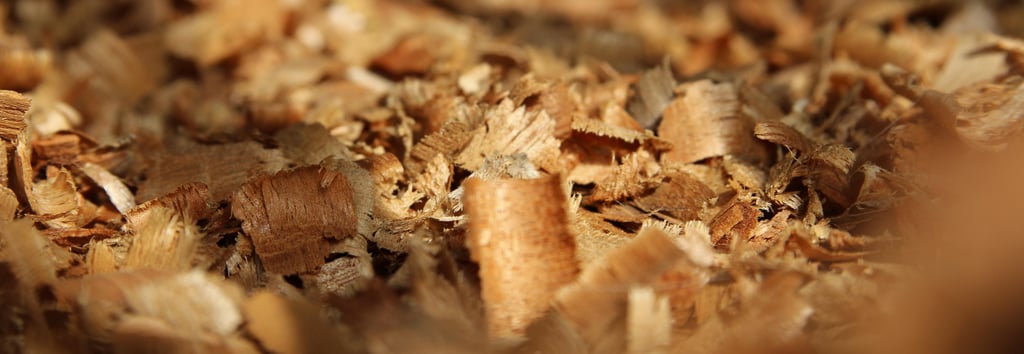
The sawdust that covers my boots at the end of the day is evidence of time well spent, of presence practiced, of small progress made. It's therapy I can sweep up and see, therapy I can hold in my hands, therapy I can share with others.
And that's why I call it Sawdust Therapy.